
Create a Worksheet with Tips and Tricks to Calm Your Nervous System

Stress and anxiety hit hard. The body reacts fast. The nervous system goes into overdrive. Finding ways to calm down is critical. A simple worksheet can guide through steps to ease tension. This post shares practical tips and tricks to calm your nervous system. It also highlights tools that support this process.

Why Calming the Nervous System Matters
The nervous system controls how the body reacts to stress. When triggered, it can cause rapid heartbeat, shallow breathing, and muscle tension. These reactions prepare the body for danger but can become harmful if they last too long.
Calming the nervous system helps reduce these symptoms. It improves focus, sleep, and overall well-being. For veterans, first responders, and caregivers, managing stress is vital. Daily challenges and past experiences can keep the nervous system on edge.
Using a worksheet to track calming techniques makes the process clear. It offers structure and reminders. It also helps identify what works best for each person.
How to Build a Worksheet to Calm Your Nervous System
Start with simple sections. Each section focuses on a different calming method. Use clear instructions and space for notes. Here are key parts to include:
1. Breathing Exercises
Breathing controls the nervous system. Slow, deep breaths signal the body to relax. Include exercises like:
Box breathing: Inhale 4 seconds, hold 4 seconds, exhale 4 seconds, hold 4 seconds.
4-7-8 breathing: Inhale 4 seconds, hold 7 seconds, exhale 8 seconds.
Leave space to record feelings before and after breathing. This helps track progress.
2. Grounding Techniques
Grounding brings attention to the present moment. It stops the mind from racing. Add exercises such as:
5-4-3-2-1 method: Name 5 things you see, 4 things you feel, 3 things you hear, 2 things you smell, 1 thing you taste.
Touch a textured object and describe it.
Encourage writing down which grounding method worked best.
3. Movement and Stretching
Physical activity eases tension. Include simple stretches or movements like:
Neck rolls
Shoulder shrugs
Gentle yoga poses
Add a checklist to mark completed exercises. Note how the body feels afterward.
4. Mindfulness and Meditation
Mindfulness calms the mind. Suggest short meditation sessions or guided imagery. For example:
Focus on a calming image or sound for 5 minutes.
Repeat a positive phrase or mantra.
Provide space to jot down thoughts or changes in mood.
5. Self-Care Reminders
Self-care supports nervous system health. Include prompts like:
Drink water
Take breaks
Get fresh air
Connect with a friend
A checklist helps keep track of daily self-care habits.
Tools That Support Calming the Nervous System
Some products can enhance these techniques. Two examples stand out for their ease of use and effectiveness.
The Calm Breathing App
This app guides through breathing exercises with timers and visuals. It offers reminders to practice daily. The app adapts to different skill levels. It helps build a routine for calming the nervous system.
Learn more about the Calm Breathing App here.
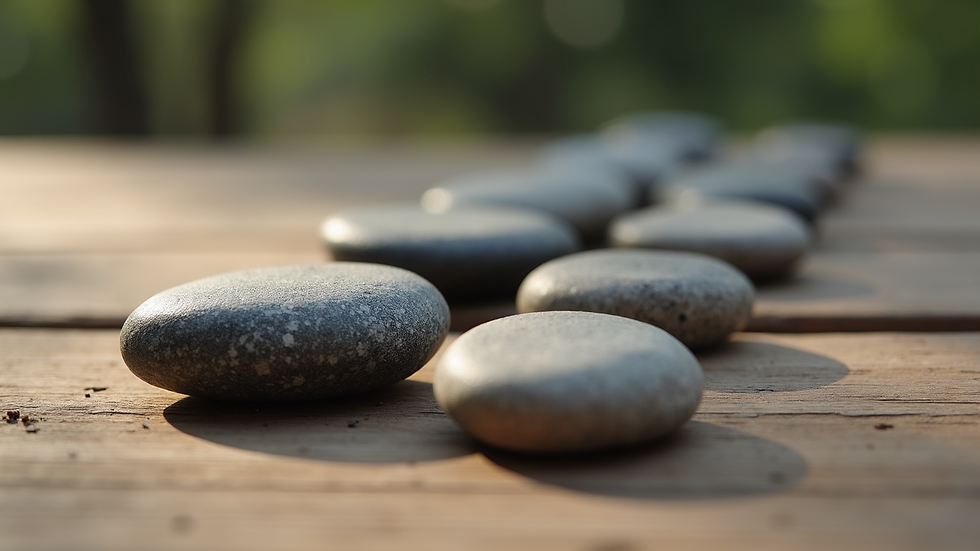
The Grounding Stones Kit
This kit includes smooth stones with different textures. It encourages tactile grounding exercises. Carrying the stones makes it easy to practice anytime. The kit comes with a guide on grounding techniques.
Explore the Grounding Stones Kit here.
Both tools fit well into a worksheet plan. They provide structure and sensory input. Using them regularly can improve results.
How to Use the Worksheet Daily
Consistency is key. Use the worksheet every day or when stress hits. Follow these steps:
Start with breathing exercises to slow the heart rate.
Move to grounding techniques to focus the mind.
Add movement or stretching to release tension.
Practice mindfulness or meditation to calm thoughts.
Check off self-care habits to support overall health.
Write down what worked and what did not. Adjust the worksheet as needed. Over time, it becomes a personalized tool.
Tips for Staying on Track
Set a regular time for practice, like morning or before bed.
Keep the worksheet visible, such as on a fridge or desk.
Use reminders on your phone or calendar.
Share the worksheet with a trusted friend or caregiver for support.
When to Seek Additional Help
Worksheets and self-care help manage stress but are not a cure-all. If anxiety or tension feels overwhelming, seek professional support. Silent Warrior Mission offers coaching and community resources tailored to veterans, first responders, and caregivers. These services provide deeper support for mental health and well-being.
Learn more about Silent Warrior Mission’s offerings here.

Using a worksheet with clear tips and tools helps calm the nervous system. It builds habits that reduce stress and improve life quality. Try creating your own worksheet today. Use breathing, grounding, movement, mindfulness, and self-care. Add tools like the Calm Breathing App or Grounding Stones Kit for extra support. Keep practicing. Keep calm. Keep strong.


Comments